
QuantumX
QuantumX is a universal, modular DAQ system delivering high‑precision measurement and flexible real-time data acquisition – ideal for vehicle and structural testing together with the catman DAQ software.
Read More

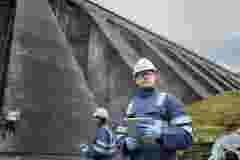
When we discuss critical infrastructure, we are often talking about massive civil engineering assets that form the backbone of our societies: bridges, dams, and river lock gates. For these types of structures, the consequences of failure can be catastrophic, affecting public safety, economic activity and entire communities. As a result, "learning from failure" is often a luxury we simply cannot afford.
These assets are designed with substantial safety margins, they rarely, if ever, experience complete physical failure during their service life.
This creates a fascinating paradox for modern predictive maintenance: how do we build reliable, AI-driven predictive models for assets that have little or no historical failure data?
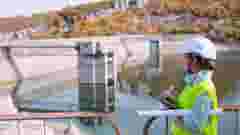
Consider river lock gates. These colossal steel and concrete structures are designed to remain in active service for around 100 years. Over the course of a century, they do not simply fail; instead, they undergo a continuous and heavily documented cycle of inspections, maintenance activities, repairs and component replacements.
Because there are no real-world datasets containing catastrophic lock gate failures, traditional machine learning approaches have very little data on which to train. As a result, we must shift our predictive focus entirely. We cannot rely solely on data-driven AI models.


Instead, the path forward lies in combining Model-Based Engineering (MBE), physics-based models and the deep, practical expertise of the engineers and maintenance teams who work directly with these assets every day. Decades of field experience, operational knowledge and maintenance records represent a valuable source of information.
When this expertise is systematically captured and integrated into engineering models, it becomes possible to create highly accurate predictive frameworks. By combining physical models of stress, corrosion and wear with historical maintenance records, engineers can accurately predict when a bridge component or lock gate is likely to require inspection, repair or replacement.
For long-term civil infrastructure,the goal is not to predict a sudden collapse, but to maintain operational resilience. By combining physics-based engineering models with human field expertise, we can safely manage these assets throughout their entire 100-year lifespan.






This will bring together HBM, Brüel & Kjær, nCode, ReliaSoft, MicroStrain and Discom brands, helping you innovate faster for a cleaner, healthier, and more productive world.
