Engineering teams generate large volumes of test data across systems, locations, and projects, making it increasingly difficult to manage. Data is often fragmented, siloed, inconsistently structured, and lacking the context needed to trust or reuse results.
Engineers lose time searching for or recreating data, managers struggle to enforce consistency across programmes, and IT must manage growing volumes of unstructured data.
A more structured approach to test data management centralises data, preserves context, and ensures controlled access - enabling engineers to reuse trusted datasets, managers to maintain consistency, and IT to govern data effectively.

| Challenge | Solution |
| Test data is stored across a myriad of local drives, shared folders, and data stores, making it difficult to locate, compare, and reuse results. | Centralise test data into a structured, searchable environment so teams have faster access to the measurements, runs and results they need. |
| Engineers repeat manual processing or analysis for each dataset, slowing down comparison and decision-making. | Apply consistent analysis workflows across datasets so results can be compared without repeating the same preparation steps. Automated ingestion and processing provide ready to work with outputs without the need for engineering time. |
| Data loses context over time, making it difficult to interpret, trust, or reuse later. | Capture the metadata and engineering context behind each test, helping results remain traceable, understandable and ready for future reuse. |
From initial measurement through to later comparison and reuse, test data management makes sure engineering data remains accessible, usable, and connected to the work it supports.
Bring test data from different systems into a structured environment, so it is no longer dependent on individual files or folders. This reduces the risk of data being lost or becoming unusable over time.
Locate relevant datasets quickly using structured search rather than relying on file names or manual tracking. Engineers spend less time searching and more time working with results.
Apply consistent analysis across datasets so results can be compared reliably, while storing, controlling and sharing analytics workflows alongside the managed data. This makes it easier to reuse both existing data and proven analysis methods to support new projects and validation work without repeating tests unnecessarily.
Test data management connects directly to the realities of physical testing - from full-scale aerospace structures to vehicle road testing and lab-based validation. It brings structure and traceability to the data behind every durability, fatigue, and NVH decision, so teams can move faster with confidence.
Managing test data is not just an IT challenge. It is closely connected to how data is measured, processed, analysed and reused within engineering workflows.
HBK brings together physical measurement expertise and structured data management, helping teams keep test data accessible, understandable and useful throughout its lifecycle.
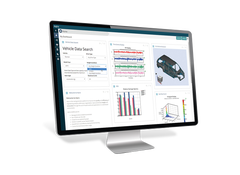
HBK supports test data management through solutions such as Aqira, which provides a structured environment for managing, searching and analysing engineering test data.
Aqira helps teams organise large volumes of measurement data, apply consistent workflows and share results across projects and locations, so existing data can be found, trusted and reused more easily.
Test data management is the process of organising, structuring and maintaining engineering test data so it can be found, understood and reused over time. It helps teams manage physical test data in a consistent way, so results remain accessible, traceable and useful across projects, teams and test cycles.
Metadata gives test data the context needed to understand what was measured, how the test was set up and how results should be interpreted. This can include details such as test conditions, channel information, units, sensor setup, configuration, location, date and analysis outputs. Without this context, data can quickly become difficult to trust or reuse.
Yes. Engineering teams often work with data from multiple acquisition systems, analysis tools and file formats. Test data management helps bring these different sources into a more consistent environment, so data from mixed test setups can be searched, compared and used together.
When test data is stored with the right structure and context, engineers can return to previous datasets with confidence. This makes it easier to compare new results with historical tests, support future validation work, avoid unnecessary repeat testing and make better use of data that has already been captured.
Test data management helps teams apply consistent structure, metadata and analysis workflows across datasets. This reduces variation in how data is prepared, processed and reported, making results easier to compare across programmes, locations and test cycles.
No. While IT teams often support the systems that store and manage data, test data management is closely connected to engineering workflows. It affects how data is captured, structured, analysed, shared and reused, so it needs to support both technical data requirements and the way engineers work. Getting the maximum value from managed test data is dependent on having a good understanding of that data – and Aqira reduces this barrier through clear, easy to use tools.