The ITER Project: the way to new energy
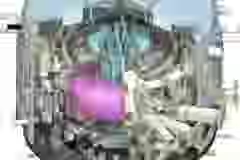
The ITER project for fusion is a large-scale scientific experiment that aims at developing a new, cleaner, and sustainable source of energy, by producing commercial energy from fusion – the process that occurs at the core of the Sun. It involves the construction of a Thermonuclear Experimental Reactor which is being built in Cadarache, France. Every second, our Sun turns 600 million tons of Hydrogen into Helium, releasing an enormous amount of energy. In ITER, the fusion reaction will be achieved in a Tokamak device, a next-generation fusion machine that uses magnetic fields, including large super-conducting magnets, designed to harness the energy of fusion, i.e., to contain and control the hot plasma. The fusion between Deuterium and Tritium (D-T) will produce one Helium nuclei, one neutron and energy. The energy will then be transformed into heat, required to produce steam, which would then– by way of turbines and alternators – produce electricity.
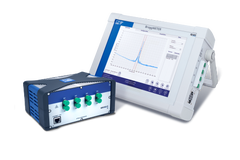
Sensing systems to be installed in the super conducting coils and on a vacuum vessel of the ITER Project, operating under vacuum, radiation, large electromagnetic fields, and cryogenic temperatures, were required.