 1-FS-SPLITTER
 1-FS80-100
 1-FS80-300
 1-FS81-1M
 1-FS82-2M
 1-FS83-2M
 K-FS82
 K-FS83

Fiber optical strain gauges
newLight® optical strain gauges offer wide strain ranges, fatigue resistance, easy installation, and durability even in harsh conditions like humidity, rust, and salt.
Read More



FS64TLS
Fiber Bragg Grating (FBG)-based inclinometer designed to measure very small angular variations relative to the vertical. Built on newLight® technology, it ensures high precision and reliability in demanding environments. The sensor uses two FBGs in a push-pull configuration, providing effective temperature compensation for accurate measurements under varying conditions. Its robust design makes it ideal for structural health monitoring applications, including retaining walls, bridge piles, tunnels, and buildings. For multi-directional tilt measurements, multiple sensors can be installed together.
Measures very small angular variations with exceptional accuracy and outstanding long-term stability.
Dual FBG push-pull configuration ensures reliable readings under changing thermal conditions, unlike traditional sensors prone to drift.
Built on newLight® technology for durability in demanding environments such as bridges, tunnels, and retaining walls.
| Document | Type | Language |
|---|---|---|
| FS64TLS - Datasheet | Data Sheets | English |
| newLight FS64 - Data Sheets | Data Sheets | Japanese |
| newLight FS64 - Data Sheets | Data Sheets | German |
| newLight FS64 - Data Sheets | Data Sheets | French |
| FS64TLS - User Manual | Mounting Instructions | English |
| newLight FS64 - Operating Manuals | Manual/Operating manual | Japanese |
| newLight FS64 - Operating Manuals | Manual/Operating manual | German |
| newLight FS64 - Operating Manuals | Manual/Operating manual | French |
Sales documents
| Document | Type | Language |
|---|---|---|
| HBM FiberSensing: Optical Measurement Solutions - Brochure | Brochure | English |
| Property | Value |
|---|---|
| Type/technology | Fiber Bragg Grating |
| Measurement range | 10 |
| Measurement range | 10 |
| Mounting | Bolted |
| Environment | Explosive / ATEX, EMI (electromagnetic interference), RFI (radio-frequency interference) |
| Cable type | Armor |
| Degree of protection | IP65 |
List of accessories available for all variants of this family
Based on the newLight optical sensor line, the FS64 tilt sensor is a ruggedized Fiber Bragg Grating (FBG) inclinometer designed to measure very small angle variations towards the vertical. The sensor uses two FBGs in a push-pull configuration for effective temperature compensation.
It can be used in a large range of monitoring applications such as sustaining walls, bridge piles, tunnels, or buildings. The measurement of tilt in different directions is possible with the use of multiple sensors.

Effective even under aggressive environments and adverse conditions such as humidity and salt

Fitted for long-term measurements with temperature changes

Cost-effective shared equipment and simpler sensing networks
Optical Fiber Sensors vs. Conventional Electrical Strain Gauges for Infrastructure Monitoring Applications
newLight® optical strain gauges offer wide strain ranges, fatigue resistance, easy installation, and durability even in harsh conditions like humidity, rust, and salt.
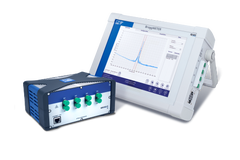
newLight® optical strain gauges offer wide strain ranges, fatigue resistance, easy installation, and durability even in harsh conditions like humidity, rust, and salt.
This will bring together HBM, Brüel & Kjær, nCode, ReliaSoft, MicroStrain and Discom brands, helping you innovate faster for a cleaner, healthier, and more productive world.
