Many production environments are highly automated, yet the process itself is not controlled in real time. Even when machines perform well, variability often appears during real production—material changes, tool wear, environmental influences and load fluctuations all contribute to parameter drift and unpredictable outcomes.
Too often, force or torque is not controlled in real time, leading to inconsistent output and quality risks. Deviations are detected late, usually only after downstream inspection, and limited visibility into actual process behaviour makes root-cause analysis difficult. As a result, scrap, rework and compliance pressures continue to rise, driven by tighter quality and audit requirements.
By integrating physical measurement directly within the process, HBK delivers reliable, real-time data to control systems—turning physical phenomena into actionable control inputs. High-accuracy force, load and torque measurement, combined with embedded intelligence and native connectivity, enables immediate deviation detection, continuous process adjustment and stable, repeatable production across cycles, shifts and sites.
Industrial sensors capture real mechanical behaviour directly inside the process.
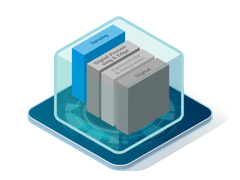
Industrial electronics convert raw sensor signals into stable, real‑time process data at the source.

Open standard interfaces enable seamless integration into industrial control architectures.

Process data can be extended into IT systems for visibility and optimisation.

Industrial process control is the use of real-time monitoring and control systems to regulate and stabilise manufacturing and production processes. It focuses on controlling critical physical parameters—such as force, load, torque or pressure—during operation to reduce process variability and ensure consistent, repeatable product quality. Modern industrial process control increasingly relies on high-accuracy physical measurement combined with digital integration to deliver reliable data directly to control systems.
Process stability is critical because it ensures consistent output quality, predictable performance and efficient production over time. Stable processes reduce variability between cycles, shifts and production sites, helping manufacturers minimise scrap and rework, protect yield and maintain compliance with quality standards. Achieving process stability requires continuous, real-time insight into physical process behaviour under real operating conditions.
Process variability can be reduced by measuring key physical parameters directly within the process and using this data to adjust control systems in real time. Accurate measurement of force, load and torque enables early detection of deviations as they occur, allowing immediate corrective action. This closed-loop approach helps maintain stable production conditions and reduces the risk of defects caused by drift, wear or material variation.
Machine automation focuses on how a machine operates—its motion, sequencing and functional behaviour. Process control, by contrast, focuses on maintaining stable production conditions over time by regulating physical variables within the process itself. Even highly automated machines require real-time physical feedback within the process to prevent variability and ensure consistent output.
Digital process control uses connected systems and real-time data to monitor, analyse and regulate production processes. When digital connectivity is combined with accurate physical measurement, it provides greater visibility into process behaviour, supports faster decision-making and enables continuous optimisation. Digital process control also supports traceability, documentation and integration with MES, analytics and other IT systems.
Real-time process monitoring improves production by detecting deviations during the process rather than after it has completed. Continuous access to reliable process data allows manufacturers to intervene immediately, preventing defects, reducing downtime and maintaining stable operating conditions. This leads to higher product quality, lower waste and more predictable production performance.
Process control supports quality and compliance by keeping production within defined limits and providing traceable, documented data on process behaviour. Reliable physical measurement enables manufacturers to demonstrate process capability, simplify audits and meet regulatory and customer requirements. Consistent control of critical parameters helps ensure repeatable quality across products, batches and production sites.