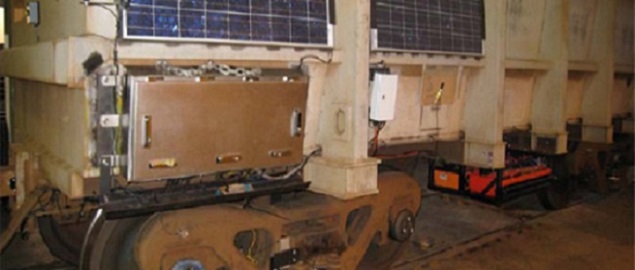
With decades of experience using measured data to assist rail operations IRT developed the concept of an
autonomous measurement vehicle popularly referred to as an
Instrumented Ore Car (IOC).
Some of the
key requirements specified for the IOC hardware were:
- Capable of handling extreme temperatures in the Australian outback where ambient temperatures often exceed 50°C.
-
Operate reliably in an environment of high vibration, dust and rain.
-
Flexible data sampling with the ability to log data at high speeds and and conduct real time data processing.
- Ability to measure a broad range of transducer types ranging from strain gauges, displacements and pressures through to vehicle bus information.
-
Remote operation with ability to store large amounts of data.
After an excessive review of potential products, the
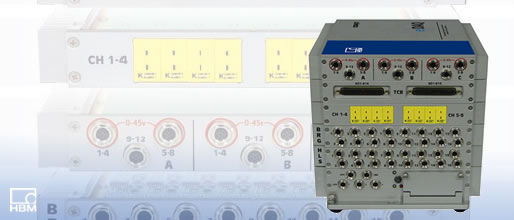
SoMat eDAQ was chosen for its
flexibility, ruggedness and support by the local HBM office in Australia. SoMat eDAQ modules are now used by IRT in IOCs at several major rail operations and have proven to be
highly reliable and flexible in use.
Data from the IOCs is being extensively used by the rail networks for projects ranging from
track maintenance activities to developing new train driver strategies.
SoMat eDAQ devices are also being extensively used by IRT personnel for other activities ranging from
rail force measurements to
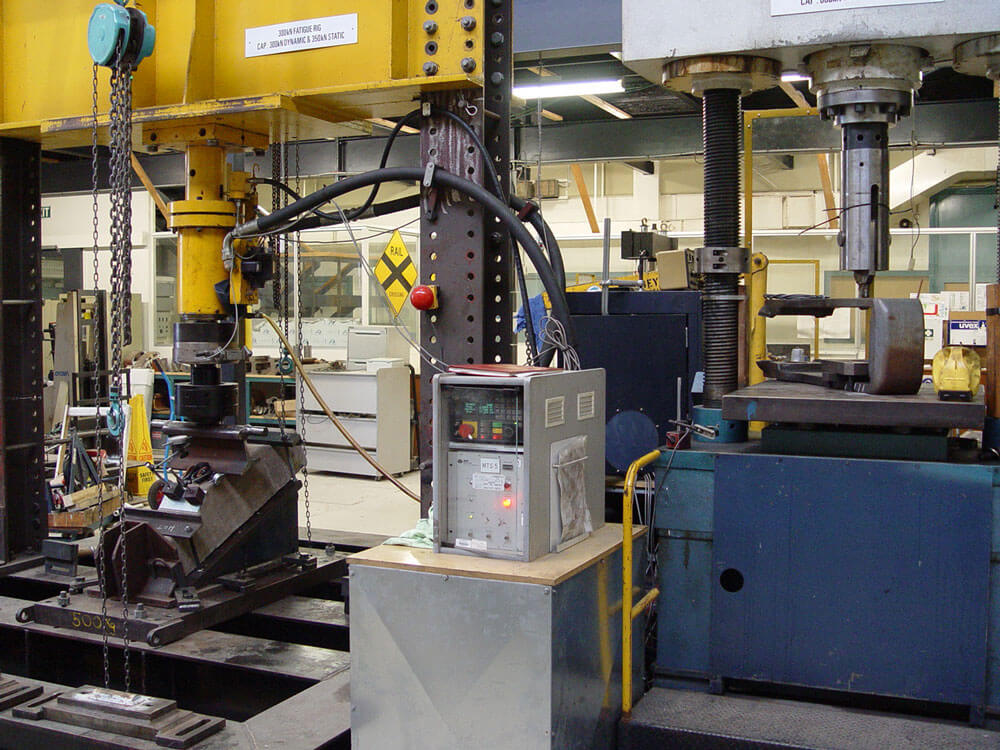
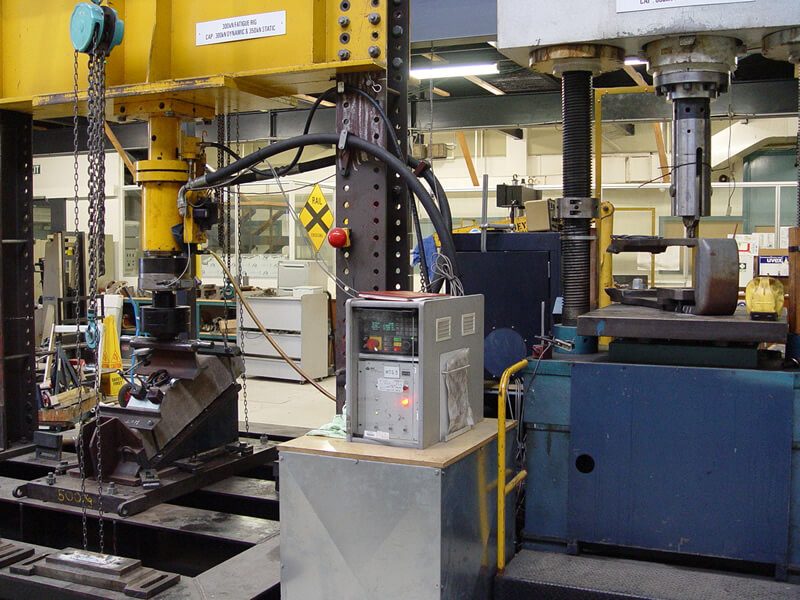
rig tests due to the system’s ability to measure a broad range of operational parameters.