
Challenge
HoneyInstruments needed to create a highly accurate scale, capable of delivering data in very isolated locations, energy self-sufficient and reliable. The final product had to be extremely robust, very easy to use, weatherproof and within a reasonable budget.
Solution
To evaluate the weight of the hive with precision, the PW10 load cell quickly became the choice, due to its characteristics well adapted to the project. It can measure a weight of up to 300 kg with an accuracy of 20 grams, it has minimal power consumption, and it is known to be totally reliable.
Results
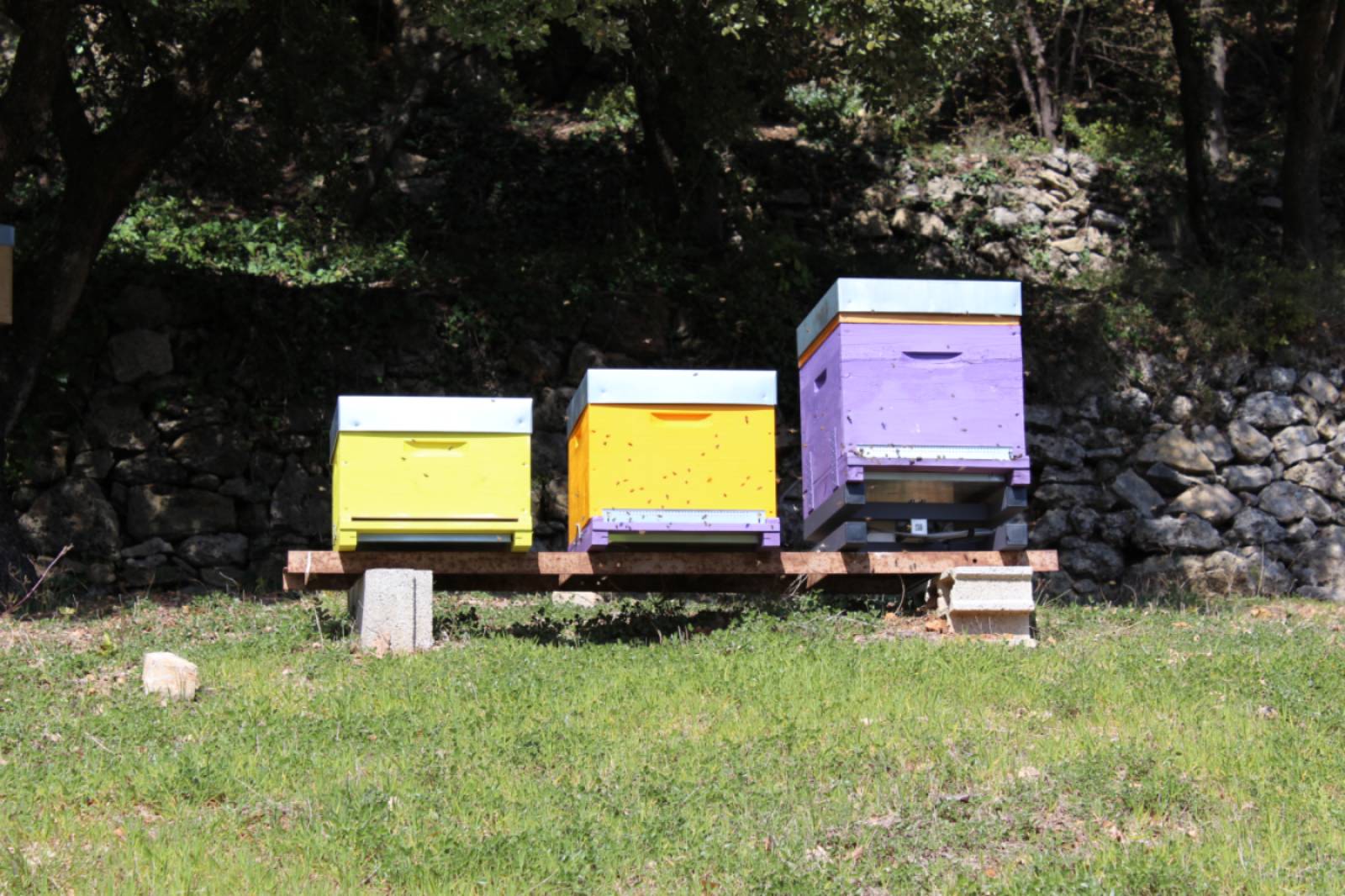
Once digitised, the signals of the hive's weight variations must be transmitted, hourly weight and temperature information does not represent a large volume of data. Weighing results confirm day after day the evolution of the swarm and the normal course of these events.
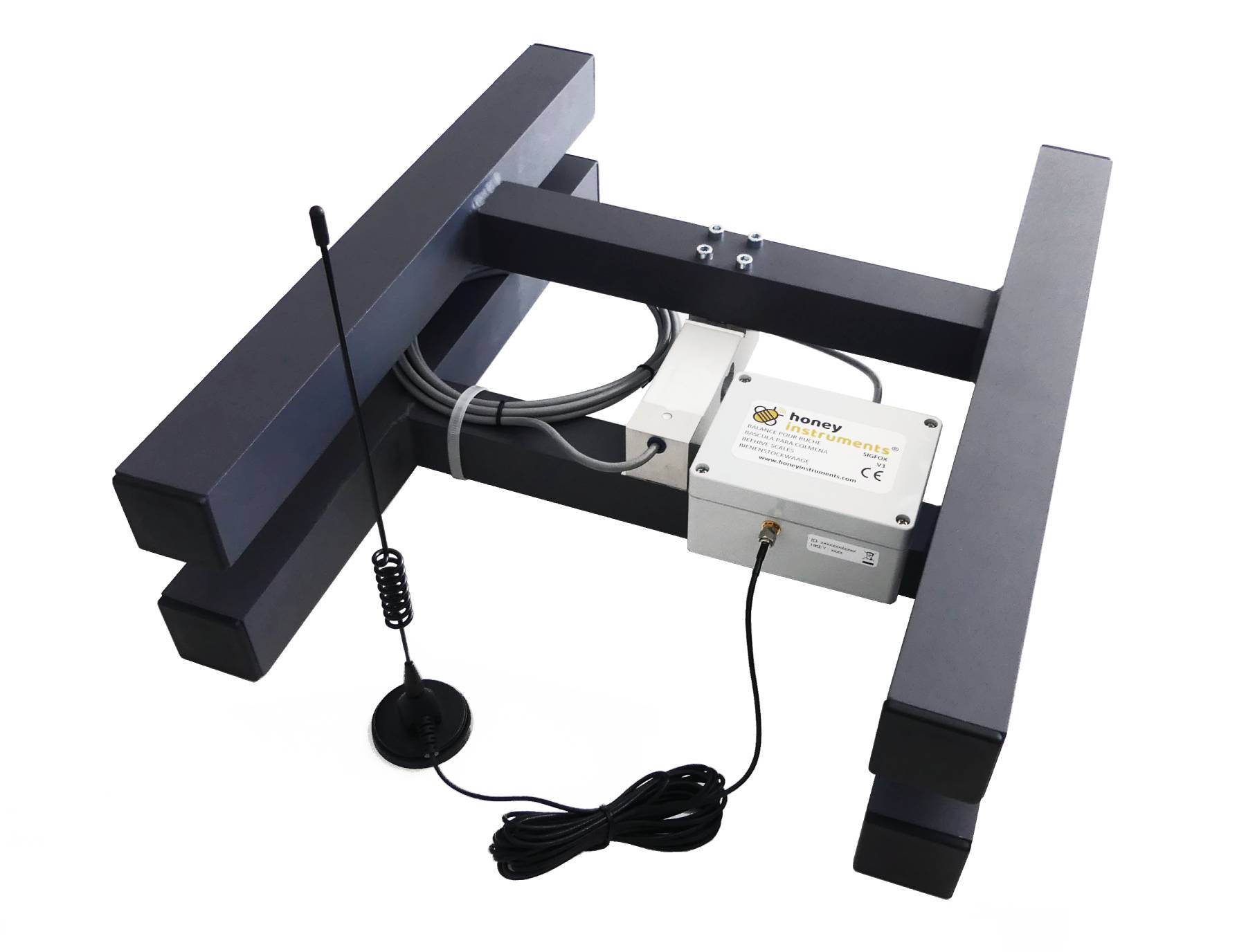
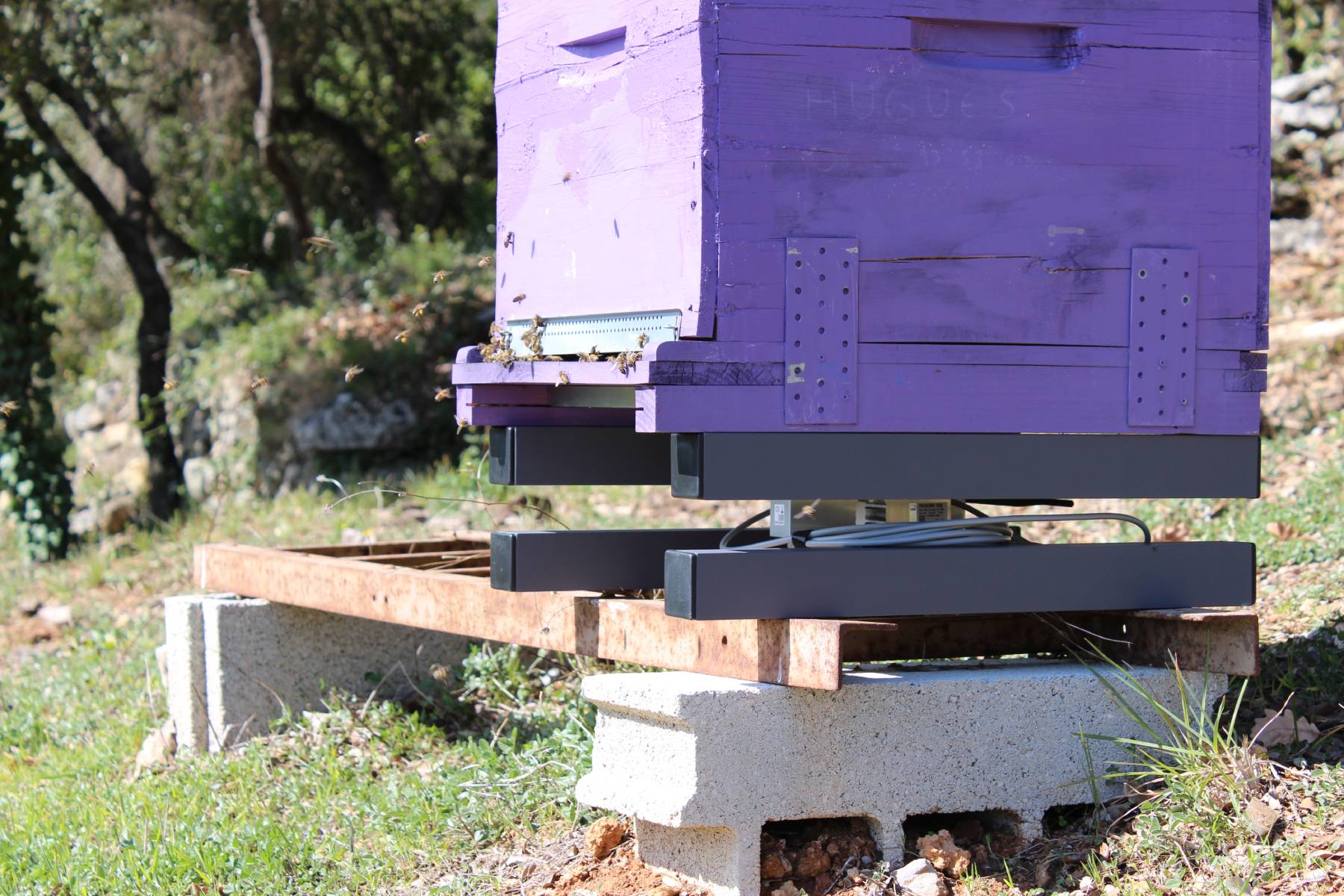
“I was already familiar with HBM's transducers because I have integrated them into other products," says Thierry De Vreese. "The discussions with the technical sales team quickly convinced me. Above all, I didn't want to have to do any after-sales service on my products. Since 2016, we have sold more than 250 connected scales in Europe and the sensor has largely kept its promises of reliability and robustness, as the scale must be able to withstand the handling of a farm machine during transhumance."
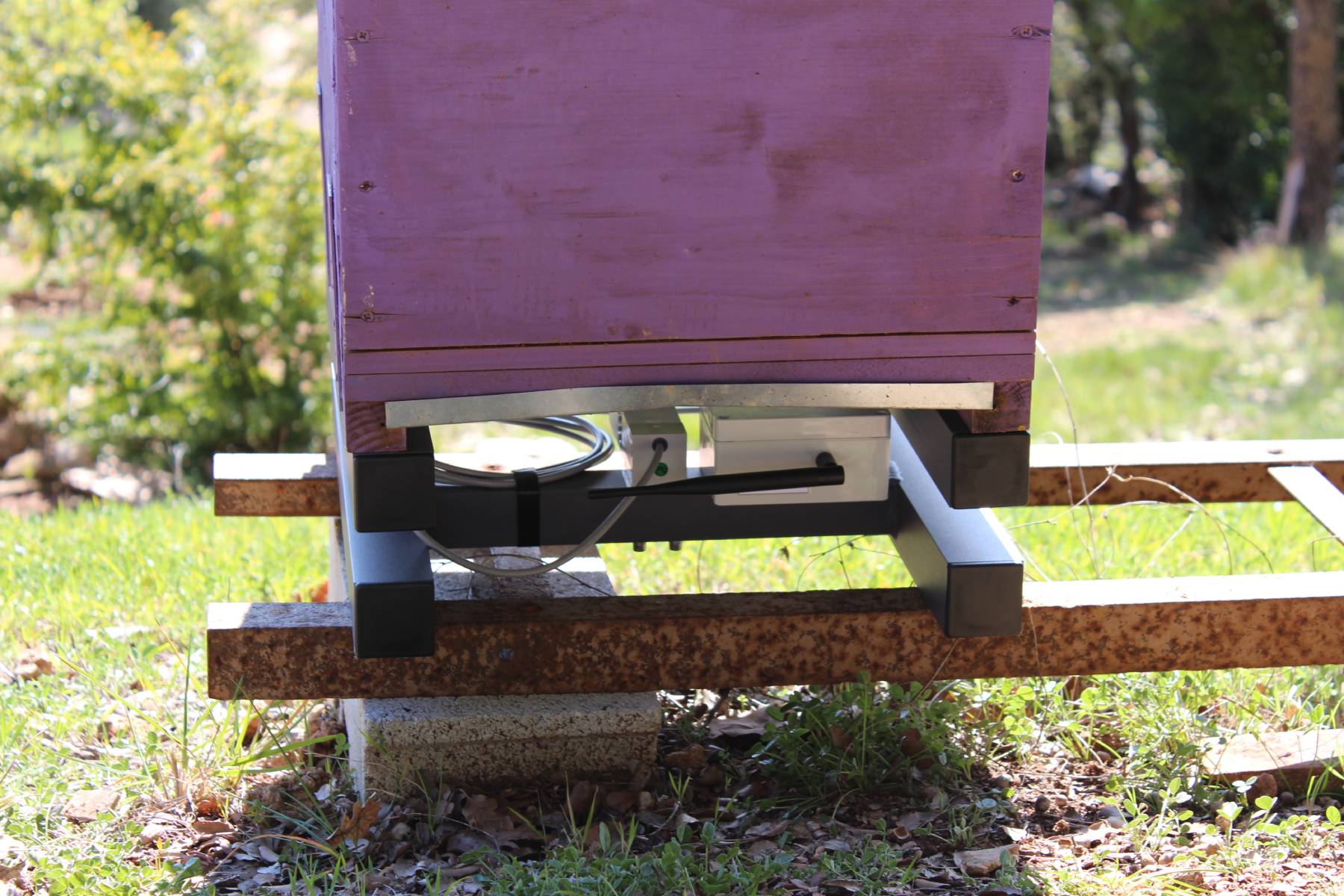
The sensor is powered by an electronic box which then performs several essential functions from a single 3.7-volt lithium battery. This battery is changed once a year and has been preferred to a more expensive and more fragile solar collector.
Once digitised, the signals of the hive's weight variations must be transmitted to the user. Beekeepers place their hives in places chosen for the quality of their flowers but often isolated from any communication network. GSM technology has been automatically excluded because it uses far too much energy. To solve the transmission issue, HoneyInstruments chose the Sigfox network. This network uses the ISM frequency band, which is particularly well suited to long-range, low-speed exchanges in rural areas.
This is because the hourly weight and temperature information does not represent a large volume of data. The range is about 40 km with a simple antenna of about thirty centimetres. The network of 2000 antennas cover more than 95% of the territory and is present in 70 countries. Once transmitted, the data is transferred to the Internet network and made available to the user on the Cloud HoneyInstruments platform.
This will bring together HBM, Brüel & Kjær, nCode, ReliaSoft, MicroStrain and Discom brands, helping you innovate faster for a cleaner, healthier, and more productive world.
