One example of a medical device that affects both staff and patients is the MRI (Magnetic Resonance Imaging) unit, a large cylindrical tube surrounded by a circular magnet. The patient lies on a table that slides into the centre of the magnet, and as the MRI scanner begins, it makes thumping and humming sounds that last for several minutes. This is caused by the switching on and off of field gradients resulting in vibration that produces loud noises. The sound intensity can reach very significant levels, making the MRI experience a very frightening one for patients and adding to their overall sense of claustrophobia and anxiety. In fact, ear protection is required for anyone inside an MRI scanner room. An average MRI examination lasts around an hour with each scan lasting between two and seven minutes.
For medical industry OEMs, MR magnets are just one of many medical device components or sub-assemblies subjected to demanding sound and vibration tests and analysis, not only to enhance patient and staff welfare by reducing noise levels, but also to ensure compliance with regulatory guidelines and standards, as well as to make sure that products do not adversely affect other systems in a hospital environment.
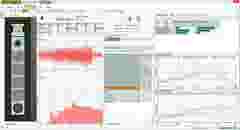
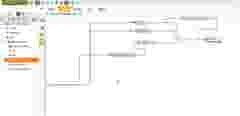
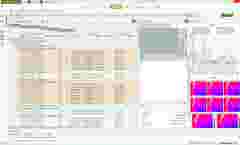
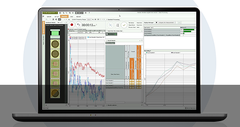
With its range of different solutions, HBK helps the medical industry to improve, understand and control the sound and vibration created by their products – from MR magnets to medical equipment alarm sound analysis, dialysis machine sleep disturbance noise, transportation vibration testing and more. In fact, HBK is able to improve your testing efficiency with a simple, easy-to-use but still reliable system, that does not require a complex data acquisition and analysis setup. Among these solutions, the BK Connect® FFT, CPB, and Overall Analysis applet is perfectly suited for standard, straightforward sound and vibration testing, but with the same reliability and thought through design of an advanced sound and vibration analysis software platform.