
Aug 29 2019
Force Measurement
Read More

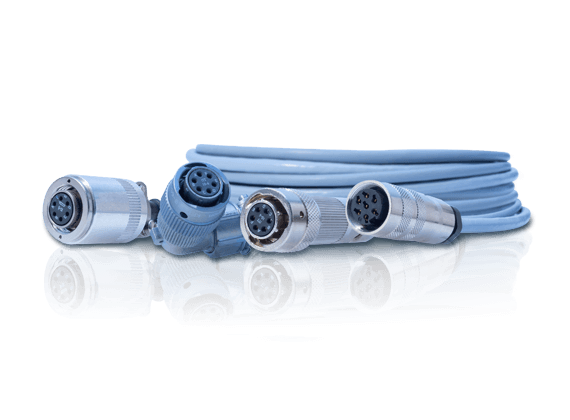
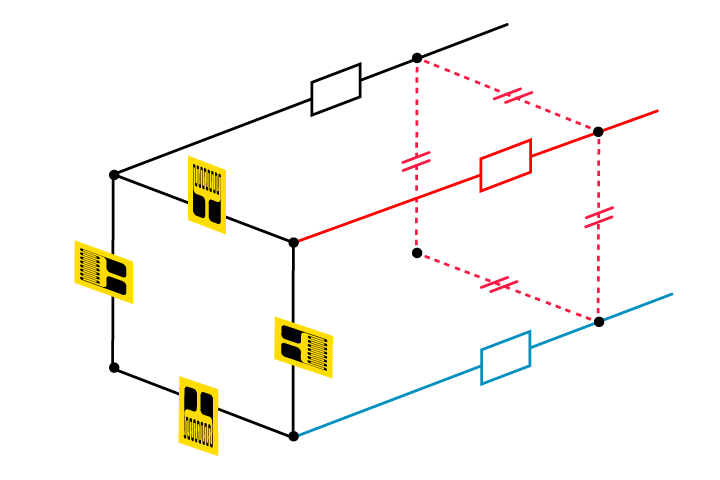
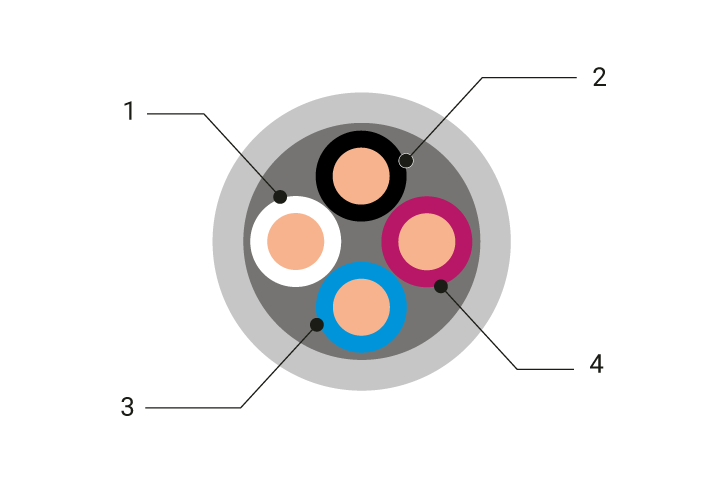
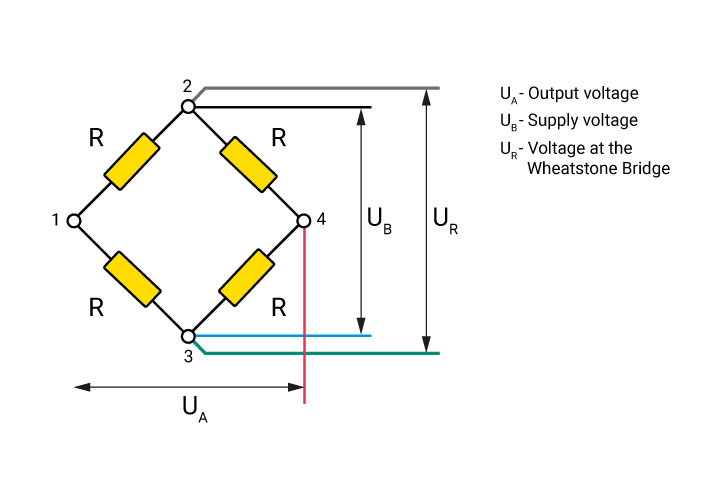
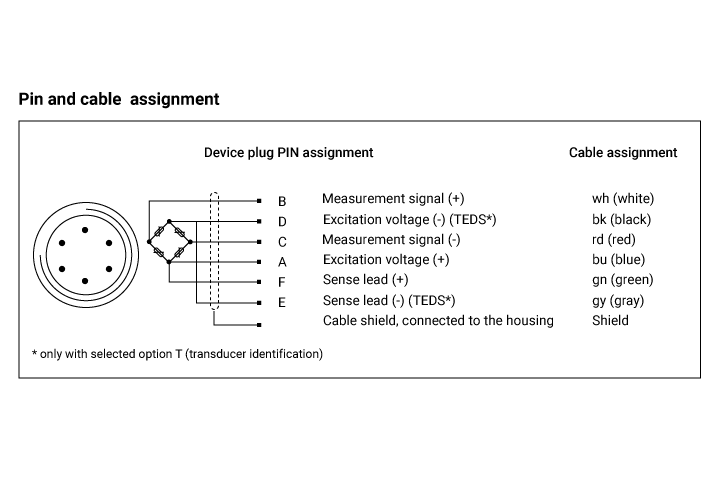
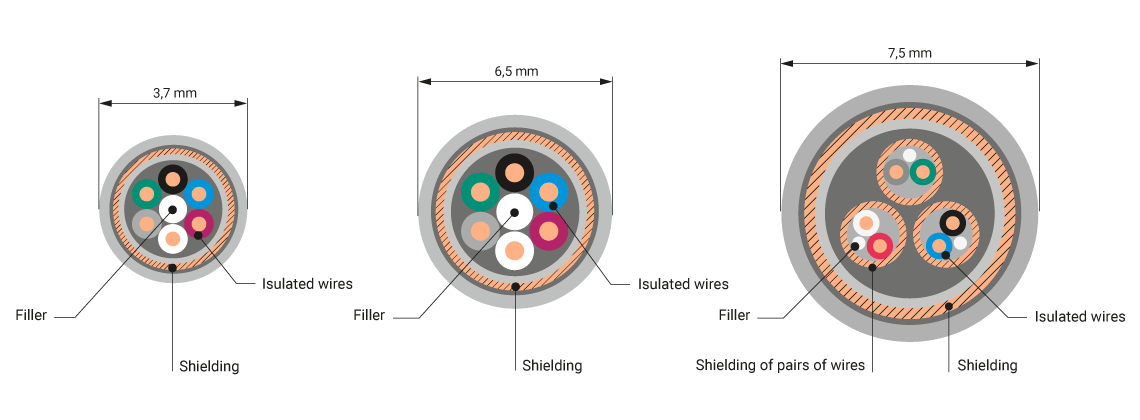
Type 131 cables can also be used when it is important to ensure the smallest possible force shunt.
Type139B cable has an outer diameter of 7.5 mm. In addition to the shielding that covers the wires of all signal cables, the individual pairs are also shielded, that is, the two wires connecting the force sensor’s output to the measurement amplifier, the two wires carrying the excitation voltage, and the sense lines. This ensures that the excitation currents do not affect the measurement signal or the sense lines.
The cable, with its very low capacitance, is also suitable for high carrier frequencies and very long line lengths (≥ 100 m). It is the first choice for high-precision measurements in the reference range. On the other hand, it is very stiff and has a large bending radius. Type139B cable is, therefore, not suitable for applications where it would be permanently in motion, or for drag chains. This cable is the ‘specialist counterpart’ of the Type 131 cable.
The third type of cable is a compromise between the two previously mentioned specialists: Type157 cables are low-capacitance, have a low line resistance and are less stiff than the double-shielded cable. In addition, they can be used for measurements in higher temperatures.
Detailed technical data for our cables can be found here. All cables are available in different lengths.
This will bring together HBM, Brüel & Kjær, nCode, ReliaSoft, MicroStrain and Discom brands, helping you innovate faster for a cleaner, healthier, and more productive world.
