


Optical Interrogators
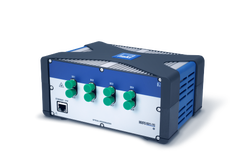
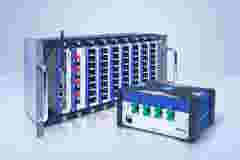
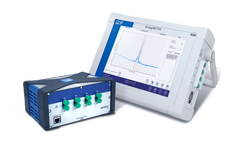
HBK optical interrogators provide precise Fiber Bragg Grating (FBG) measurements 24/7 across large networks and long distances, seamlessly integrating with HBK DAQ for synchronized data.
Read More

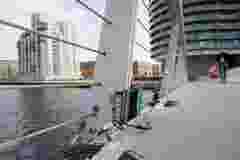
When you're monitoring a bridge, testing a new component or measuring structural behaviour in a demanding environment, choosing the right sensors is only part of the challenge.
You also need to capture the measurements accurately, handle the data efficiently and make sure the complete system works together as intended.
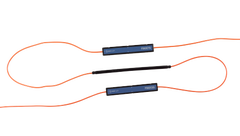
Fiber Bragg Grating (FBG) technology offers a flexible approach to optical measurement. But which sensors should you choose? What kind of interrogator do you need? And which software will help you get the most from your data?
The answer depends on what you're measuring, where you're measuring it and what you need to learn from the results.
This guide walks you through the key decisions.
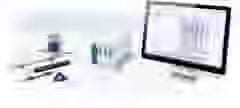
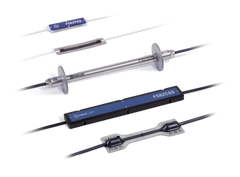
An optical measurement chain has three main elements. Each plays a different role, and the right combination depends on your measurement requirements.
The key is to select these elements as one measurement chain, rather than making each decision in isolation.
These factors help narrow down the appropriate sensor design, protection level, cable configuration and installation method.
Why consider FBG technology?
Optical sensing can be particularly useful when you need multiple measurement points, long distances between sensors and acquisition equipment, lightweight cabling or immunity to electromagnetic interference.
It can also be a good fit for demanding structural monitoring applications where long-term measurement stability matters.
The benefits depend on the complete installation, so the sensing technology should always be assessed against your specific requirements.
How many measurement points do you need?
FBG technology allows multiple sensors to share an optical fibre, but the practical number depends on the wavelength allocation, optical losses, fibre length, connections and interrogator capabilities.
Planning the network early helps avoid unnecessary complexity and ensures the complete system can acquire the signals you need.
There is no single interrogator that is right for every application. The aim is to find the right balance between measurement performance, system complexity and operating requirements.
Choosing the right software
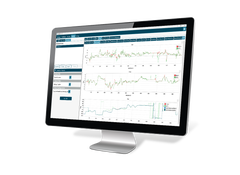
Good software should support the way you work with measurement data, not add unnecessary complexity.
Think about how you will use the results:
Also verify software and hardware compatibility early in the selection process. Not every software package supports every interrogator or measurement configuration.
The best results come from considering the sensors, interrogator, optical network and software as one system.
A few examples illustrate why.
You may need many sensors distributed across a bridge or other infrastructure, with long fibre runs and stable measurements over time. Sensor layout, wavelength allocation and optical losses become important design considerations.
Where electromagnetic interference is a concern, optical sensing can help provide reliable measurements without the susceptibility associated with conventional electrical sensing elements. The complete installation must still meet the application's requirements.
If you're investigating dynamic loads or vibration, acquisition speed, measurement range and data synchronisation become key factors in choosing the interrogator and software.
In each case, the right solution starts with the measurement challenge, not with a product specification in isolation.
Every measurement application brings its own combination of requirements, constraints and priorities.
HBK's optical sensing portfolio includes FBG sensors, optical interrogators and measurement software to support different testing and structural monitoring needs.
Defining your measurement objectives, installation conditions and data requirements is the best starting point for selecting a suitable configuration.

This will bring together HBM, Brüel & Kjær, nCode, ReliaSoft, MicroStrain and Discom brands, helping you innovate faster for a cleaner, healthier, and more productive world.
