The growing use of AI in engineering is creating major opportunities to accelerate development, improve decision-making, and help engineers get more value from the data they already generate. But for many organizations, there is still a gap between AI ambition and practical reality. While teams are investing in AI-driven tools and workflows, many are not yet able to fully leverage them because their underlying data is not ready.
Engineering teams generate large volumes of data across simulation, physical testing, and production environments. However, this data is often disconnected, difficult to search, and lacking the structure and context needed for meaningful analysis. In practice, engineers struggle to locate relevant datasets, interpret results consistently, and reuse information across projects.
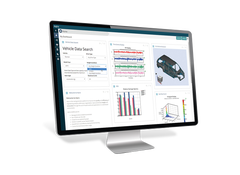
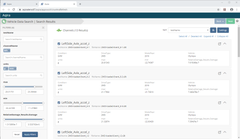
This webinar explores a critical but often overlooked foundation for making AI work in engineering: information architecture (IA). Rather than focusing on AI tools themselves, the session examines what is required to make engineering data usable — from structuring time history data and applying engineering-specific analytics, to generating meaningful metadata that supports search, reuse, and traceability.
By building a stronger data foundation, organizations can better leverage emerging AI-enabled workflows such as reduced order models, test optimization, informed design, and the reuse of dual-use data across physical and virtual development. Attendees will gain insight into how better information architecture can improve data accessibility, support faster development, and enable more confident engineering decisions.
The session is grounded in real-world data challenges and practical considerations using the example of electric vehicle data, providing a realistic view of what it takes to prepare engineering data for AI in practice.
Key Takeaways
- Understand why AI initiatives in engineering often fall short when underlying data lacks structure, context, and traceability.
- Identify common data challenges across simulation, physical testing, and production environments that limit searchability, reuse, and analysis.
- Explore how information architecture helps make engineering data more accessible, consistent, and meaningful for AI-driven workflows.
- Learn how structuring time history data, applying engineering-specific analytics, and generating metadata can improve data usability.
- Apply practical lessons from electric vehicle data workflows to build a stronger foundation for AI-enabled engineering decisions.